
What’s the difference between building regulation and detailed design drawings?
In this blog we discuss the difference between building regulations drawings and detailed design drawings.
There are a number of differences. The 1st significant difference is in the level of detail the drawings go into, and the fees payable to an Architect.
To give you an analogy.
Imagine you ask someone to give you a recipe for a 3 course meal. A building regulations equivalent result would be a 5 step process with a list of ingredients but no quantities, oven temperature or how long to cook anything for. This may be fine for an experienced cook who has done this before. Or the end result is relatively straightforward that doesn’t require you to be a Michelin star chef. It may be you’re not fussed if the end result isn’t quite in line with what it should look or taste like.
The detailed design equivalent would include all the information required from exact quantities, oven temperatures. Also a detailed step by step account that anyone who follows the instructions can recreate exactly as it should be, without any head scratching or mistakes.
Now of course the detailed design package is going to be more expensive than the building regulation package. There will be more drawings, information to put onto paper, and that takes time and resources.
Why would I opt for the detailed design package?
If you’re not technically minded, time poor due to work or personal commitments. Or you really want to make sure the end result matches the original design of the Architect. Then detailed design drawings may be a good choice. If your budget is limited and you’re prepared to do alot of the leg work yourself then the building regulations package may be more suitable for you.
Builder’s costs.
The 2nd significant difference between the 2 packages of information is the builders quotes you will get. When quoting for building works, the majority of builders will include what are referred to as provisional sums for items of work where there is little or no information on what exactly is required. These provisional sums are best guess estimations. Furthermore they are subject to final confirmation once the exact scope of work is agreed. For example a buildings regulations package won’t include electrical and lighting layouts. So the builder will estimate what he thinks you will want on each room. Once it comes to site you will walk around and confirm exactly what you want and hopefully the 2 align. However the costs can go up as you’ll want more sockets or more expensive faceplates.
Depending on the size of the project it can increase from £00s to £000s of extra work. You could of course list out on a room by room basis what they should price up to avoid uplifts during the building works.
With a detailed design package everything should be specified so when pricing, the builders can put fixed costs against each item. Now it may not be possible to know exactly what you want to such a granular level at that stage of the project, and that’s fine. You just have to bear in mind that the costs are not fixed when you sign the building contract and start building work. A builder should make you aware of which items are provisional sums and which are fixed costs.
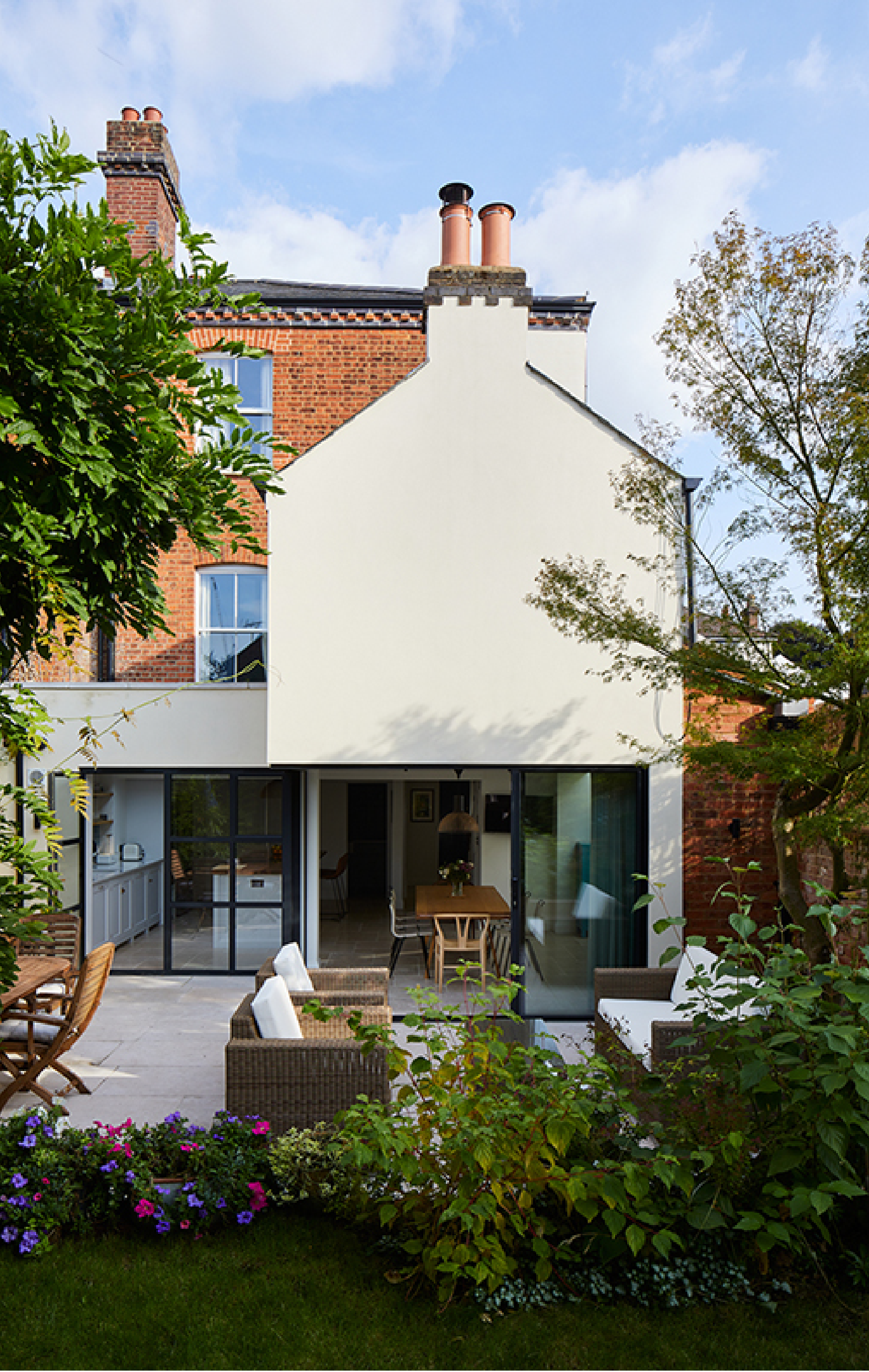

In conclusion, if you are experienced at building, you’re happy to do alot of the thinking work yourself and your project is straight forward and of a simple nature then a building regulations stage set of drawings may be suitable for you. If your time poor, not technically minded, have a limited budget and have a high specification building then the detailed design package may be more suitable for you.
At Sheldon Peever Studio, we provide comprehensive architectural services to help you bring your dream home to life. Contact us today to schedule a consultation.
Get in touch .
Book a FREE 30 minutes call to discuss bringing your dream home to reality with one of our senior team.
The outcome of that call will be:
- Having answers to your crucial questions.
- A clearer understanding of how to achieve your dream home.
- A 6 stage pathway to success laid out for you to follow.

Dream Home Guide
Download your free Dream Home Guide for all our best tips and tricks on how to build your dream home.
Here you will find answers to some of the most commonly asked questions and the answers to them.